Some events are so momentous that pictures truly do speak louder than words.
Apollo 11, the 50th Anniversary (Part 2 of 3): The Photographs
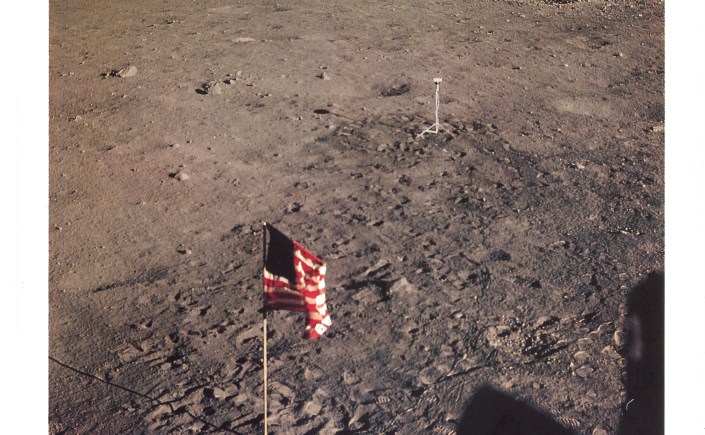
Some events are so momentous that pictures truly do speak louder than words.
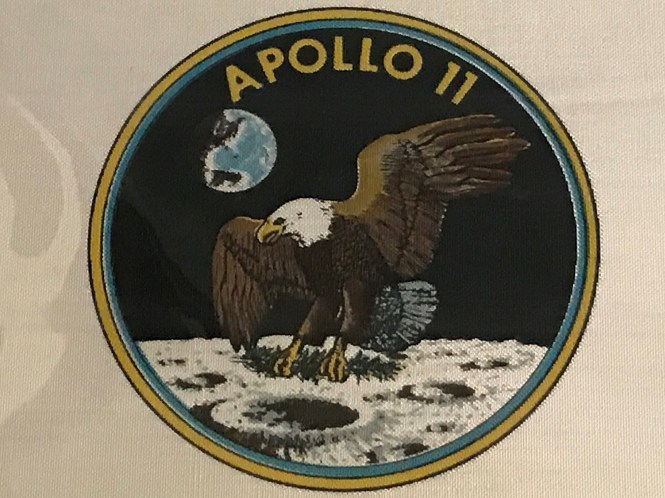
Fifty years ago today, three brave Americans blasted off from Cape Canaveral, Florida. They were undertaking a challenging adventure, which only the American people have accomplished to this date. Neil Armstrong was the mission commander, a former Naval Aviator and test pilot. A veteran of the Korean War, he was previously the command pilot of the Gemini 8 mission. Joining him in the lunar module named Eagle, was Air Force officer and fighter pilot Edwin “Buzz” Aldrin Jr. “Buzz” Aldrin was also a veteran of the Korean War, having been credited with two aerial victories over communist MiG-15s. He had previously flown into space on the Gemini 12 mission. On the command module, Columbia, was Air Force officer and test pilot Michael Collins, a veteran of the Gemini 10 mission. The mission patches – like the exterior of the white space suits – from Apollo 11 were made from a “space age material” called beta cloth.
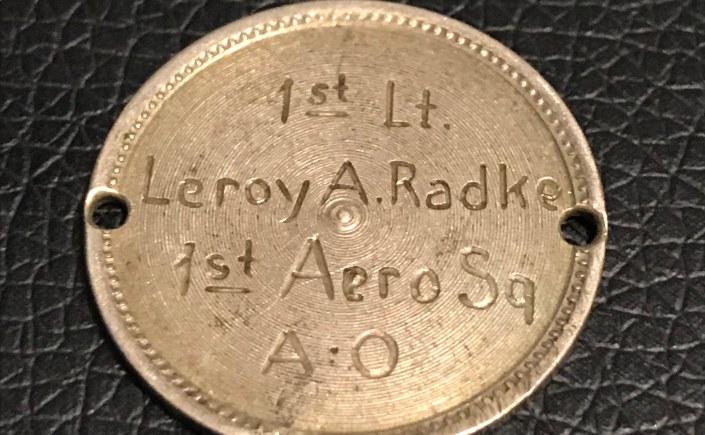
Military challenge coins are among the most treasured and prized recognition a Soldier, Sailor, Airman or Marine can receive. Katie Lange of the Defense Media Activity describes challenge coins as, “an American military tradition for a century, meant to instill unit pride, improve esprit de corps and reward hard work and excellence.” [1] Military challenge coins are steeped in legend and lore, but what is the hard truth behind their origins?
One of my personal favorite stories is that it originated with a Lieutenant in the Army Air Service during the First World War. I’ve heard two versions of this story, which exists only as an oral tradition.
The medals were unnamed, but the grouping came with extensive paperwork attributing them to John George Ward, Jr. A man whose story is full of courage and sacrifice, but also serves as an example of how chance guides you towards your destiny.
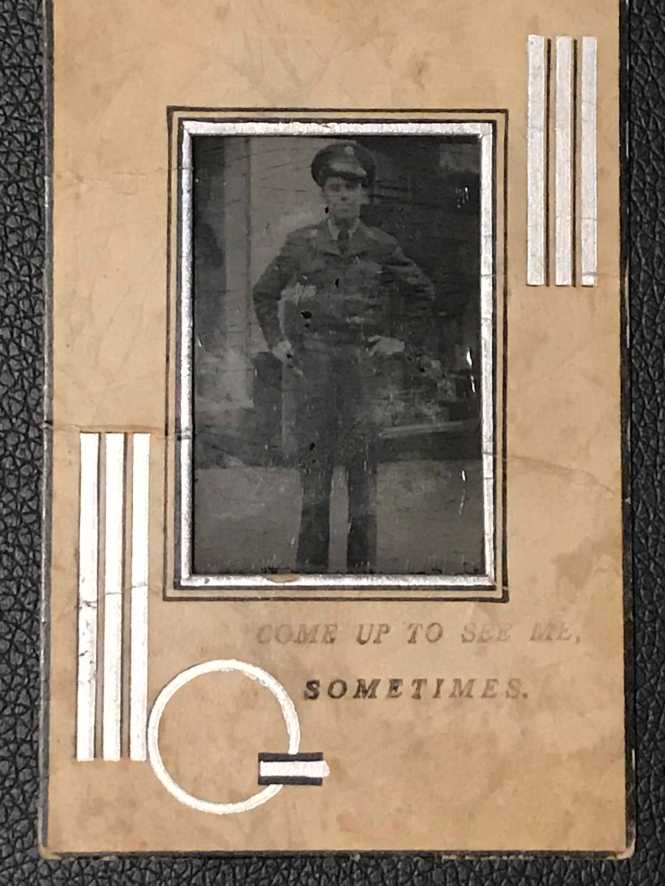
John G. Ward, Jr. as an enlisted soldier
To put a significant part of this story into context, for the non-veteran, the officer’s commission must be put into context. Commissioned officers make up approximately 10% of the U.S. military. The commissioned officer’s authority is derived from Article II, Section 3 of the U.S. Constitution. Supreme Court Justice John Marshall wrote in 1803, “granting a commission is the distinct act, done in the name of the President, which empowers an officer.” [1]
The folks at the Militaria Collector’s Network were gracious enough to support this blog with some free advertising! Please visit them at: http://www.militariacollectors.network/ or on Facebook at: https://www.facebook.com/groups/Milcol/
Much appreciated!
 The Things We Leave Behind